
A rooftop solar power system uses photovoltaic panels installed on a suitable roof to convert sunlight into electricity. The electricity can be used by the property, stored in compatible batteries or exported to the grid where permitted by the applicable connection arrangement.
SOLAR ENERGY QUESTIONS & ANSWERS
Your Questions.
Clear Answers.
Understand rooftop solar, system options, electricity savings, maintenance and important project considerations before making a decision.
Explore FAQs ↗SOLAR KNOWLEDGE CENTER
Making Solar Energy Easier to Understand.
Moving towards solar energy can raise questions about costs, system types, electricity generation, maintenance and available government schemes.
We have compiled answers to frequently asked questions to help homeowners and business owners understand important solar considerations.
Speak With Our Team ↗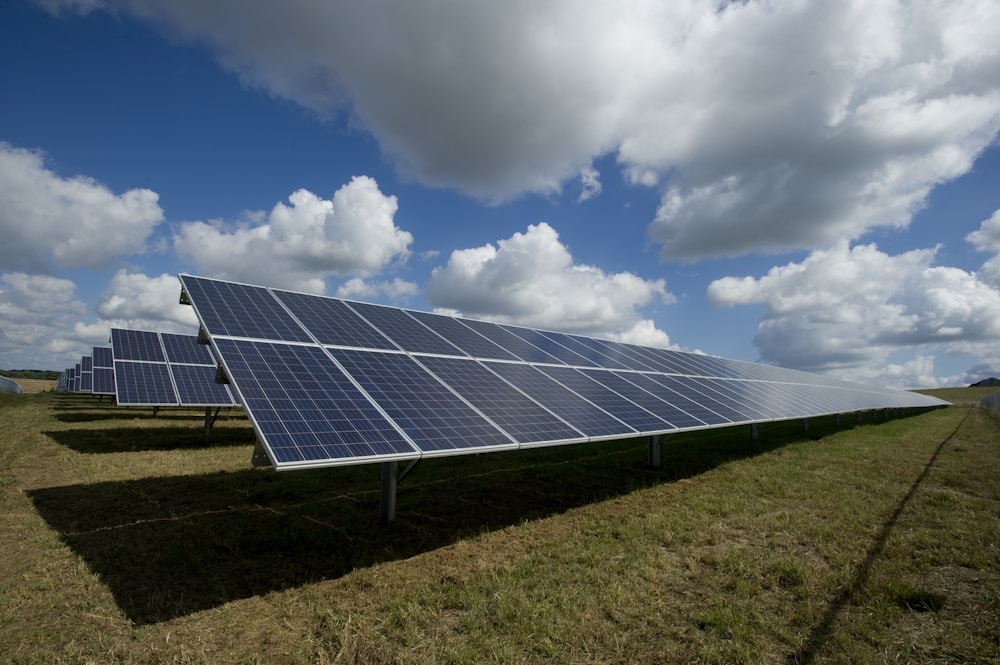
FREQUENTLY ASKED QUESTIONS
Everything You Need to Know.
Search for a question or select a topic below. Click any question to read its answer.
Suitability depends on usable roof area, shading, roof orientation, structural condition, electricity consumption and local utility requirements. A technical assessment is recommended before installation.
Yes. Solar panels can generate electricity using diffuse daylight, although output is generally lower during cloudy conditions than under strong direct sunlight.
Solar panels do not produce electricity from sunlight at night. Night-time power must come from the grid, a compatible battery system or another power source.
On-grid: Connected to the electricity distribution network, generally without battery storage.
Off-grid: Designed to operate independently, usually using batteries for energy storage.
Hybrid: Combines solar generation with a grid connection and compatible battery storage. The suitable configuration depends on your requirements.
A standard grid-tied inverter normally shuts down during a grid outage for safety. Backup during an outage requires equipment specifically designed and configured for that purpose.
No. Standard on-grid systems generally do not need batteries. Battery storage is commonly used for off-grid systems and selected hybrid systems where backup or energy storage is required.
System sizing depends on electricity consumption, available roof area, sanctioned load, local regulations and budget. Reviewing recent electricity bills and property details is a useful starting point.
Solar generation can reduce the electricity you purchase from the grid. Actual bill savings depend on energy production, consumption patterns, electricity tariffs, fixed charges and applicable net-metering or billing rules.
Costs vary by system capacity, panel and inverter specifications, mounting structure, installation conditions, electrical work and battery requirements. A project-specific quotation is needed for an accurate price.
Payback depends on total installed cost, electricity consumption, tariffs, solar generation, maintenance expenses and any applicable financial assistance. Avoid relying on a fixed payback period without a project-specific calculation.
Solar may be suitable for commercial properties with adequate installation space and appropriate electricity demand. Feasibility depends on the building, operating hours, connection category and project economics.
Solar systems generally require periodic cleaning, visual inspection and checks of electrical components. Maintenance frequency depends on dust, weather, installation conditions and manufacturer guidance.
Many solar panels are designed for long-term use and may carry performance warranties of 25 years or more, depending on the manufacturer. Actual service life and warranty terms vary by product. Inverters and batteries may need replacement sooner.
Dust and debris can reduce generation. Cleaning should follow the manufacturer's instructions, using suitable methods and appropriate safety precautions. Avoid unsafe rooftop access or working on electrical equipment yourself.
Government assistance may be available for eligible residential rooftop solar installations under applicable schemes. Eligibility, technical requirements, subsidy amounts and application procedures can change.
Check the official PM Surya Ghar portal for current information.
Net metering is a billing arrangement that accounts for electricity imported from and exported to the grid. Eligibility, metering procedures and settlement rules depend on the applicable state regulations and utility.
Grid-connected installations may require application, technical approval, inspection and metering arrangements with the electricity distribution company. Requirements vary by consumer category and local rules.
Unnati Solar has supplied a document titled "Unnati Solar DHBVN Empanelment" for its website gallery. Please contact the company for the document details and independently verify any current empanelment or eligibility status with the relevant authority.
You can call +91 9588775568, send a WhatsApp message to +91 9728523536 or visit our office at D.R.P. Enclave, Behind Sector 4, Karnal, Haryana - 132001.
No matching questions found. Try another search term or category.
Planning a Residential Solar Project?
Keep your recent electricity bills and basic rooftop information ready. These details can help during the initial consultation.
REQUEST CONSULTATION ↗Exploring Solar for Your Business?
Commercial solar projects require a review of energy usage, property conditions and financial considerations before proceeding.
EXPLORE SERVICES ↗Still Have Questions About Solar?
Connect with Unnati Solar to discuss your residential or commercial solar requirements.